
Installing solar panels is one of the smartest decisions a household or business in the Kohat region can make, but many owners assume the work ends the day the system is switched on. In reality, the panels sitting on your roof are exposed to sun, dust, rain, and birds every single day of the year, and the way you look after them quietly decides how much electricity you actually harvest over the next two decades.
Maintenance is rarely the exciting part of going solar, yet it is the line between a system that steadily pays for itself and one that loses efficiency month after month without anyone noticing. This guide walks through what solar care really involves in our local conditions, how often you should be doing it, and the warning signs that mean it is time to bring in a specialist.
Why Upkeep Matters More in Our Climate
Solar modules are tested and rated in laboratories with clean glass and ideal sunlight, but rooftops in northern Pakistan are a very different environment. We get long dry spells that coat everything in a fine film of dust, sudden monsoon downpours, and dramatic temperature swings between a scorching afternoon and a cold night. Each of these factors chips away at output in its own way. A layer of grime that looks harmless to the eye can block enough light to drop generation by ten to twenty-five percent, which over a year adds up to a meaningful chunk of the savings you were promised.
The Dust Problem and How to Tackle It
Dust is the single biggest enemy of solar performance in our part of the country. Because rain is seasonal, panels can go weeks without a natural rinse, and the accumulated dust bakes onto the glass under the sun. The good news is that cleaning is straightforward. Early in the morning or after sunset, when the glass is cool, a soft brush or squeegee with plain water is usually all that is needed. Avoid detergents, hard scrubbing, and cold water on hot glass, which can crack the surface. Never walk on the panels themselves, and if your roof is steep or high, use a long-handled tool from a safe position rather than climbing across the array.
How Often Should You Clean Your Panels?
There is no single answer, because it depends on where you live and what surrounds your home. A house near an unpaved road, a construction site, or open fields will need cleaning far more often than one in a leafy residential lane. As a rough rule, most homes in dusty districts benefit from a wipe-down every three to four weeks in the dry months, and less frequently once the monsoon arrives. The simplest habit is to glance at your inverter reading on a bright day; if the numbers are noticeably lower than usual and the sky is clear, dirty glass is the likely culprit. Working with experienced quality service providers for a scheduled clean can take the guesswork out of it entirely.
Monsoon Season and What It Does to Output
Many people expect rain to be pure good news for solar, and while it does rinse away dust for free, the monsoon brings its own challenges. Heavy cloud cover cuts generation sharply for days at a time, and driving rain can splash mud back onto lower rows of panels. After the season ends, it is worth inspecting mounting bolts and clamps, because repeated wind and water can loosen fixings over time. Check that no water is pooling near roof penetrations or cable entry points, since moisture reaching a junction box is a genuine safety and reliability concern.
Keeping an Eye on the Inverter
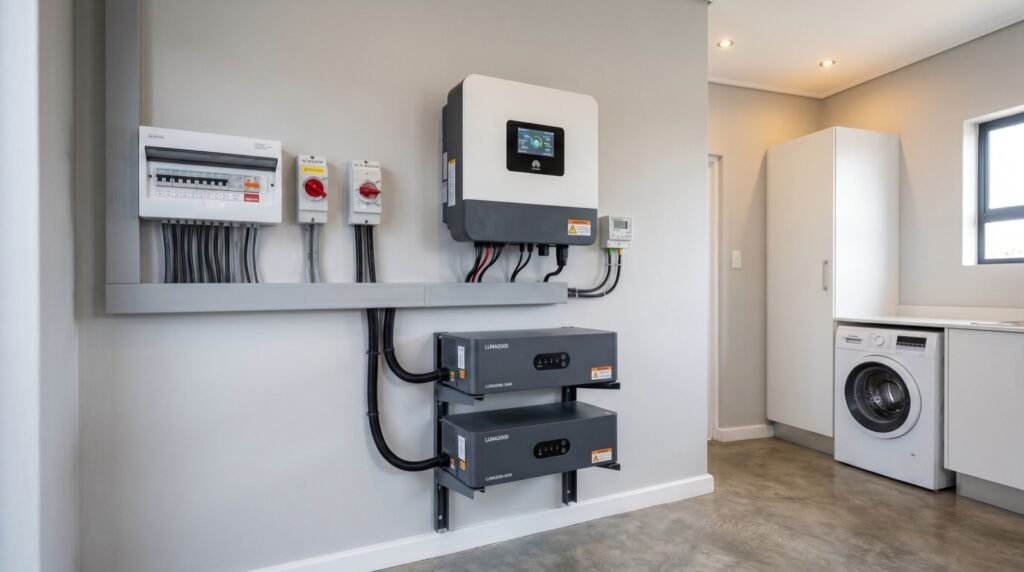
Your inverter is the brain of the system, converting the direct current from the panels into the alternating current your appliances use. It is also the component most likely to need attention over the life of the installation. Make a habit of checking its display or app once a week. Green lights and steady numbers mean all is well; a red fault light, an error code, or a sudden drop in daily production is your cue to investigate. Keep the area around the inverter ventilated and free of clutter, because these units run hot and rely on airflow to stay within their operating range. Choosing the right hardware from the start makes a difference here, which is why homeowners often lean on a trusted solar company in Kohat to specify equipment suited to local voltage conditions.
Watching for Shading and Vegetation
A system that was perfectly sunny on installation day can become shaded years later as trees grow or a neighbour builds an extra storey. Even partial shade on one panel can drag down a whole string, so it pays to walk around your property occasionally and look at the array from the angle the sun takes across the day. Trim back overhanging branches, clear any debris that collects at the bottom edge of the panels, and keep an eye on new construction nearby that might cast an afternoon shadow.
When to Call a Professional
Routine cleaning and visual checks are well within the reach of any careful homeowner, but some tasks belong to a qualified technician. Electrical connections, inverter faults, wiring inspections, and anything involving the roof structure should be handled by people with the right training and safety equipment. An annual professional service, where a technician tightens connections, tests the wiring, measures each string, and confirms the whole system is performing to specification, is a small cost that protects a large investment. Partnering with the best solar company for that yearly check gives you documented proof of performance and early warning of any component nearing the end of its life.
Key Takeaways
- Dust is the leading cause of lost output locally, so clean panels regularly with plain water and a soft brush in the cool hours.
- Check your inverter display weekly and treat any fault light or unexplained drop in production as a signal to investigate.
- Inspect mounting hardware and cable entries after the monsoon, when wind and water can loosen fixings.
- Watch for new shade from growing trees or nearby construction, since even partial shading hurts the whole array.
- Book an annual professional service for electrical checks, string testing, and a full performance report.
Final Thoughts
A solar system is a long-term partner rather than a one-time purchase, and it rewards the owners who give it a little attention. None of the maintenance described here is difficult or expensive; it mostly comes down to keeping the glass clean, watching the numbers, and calling in a specialist for the technical work once a year. Do that consistently, and your panels will keep quietly turning free sunlight into savings for twenty-five years or more, exactly as they were designed to.


