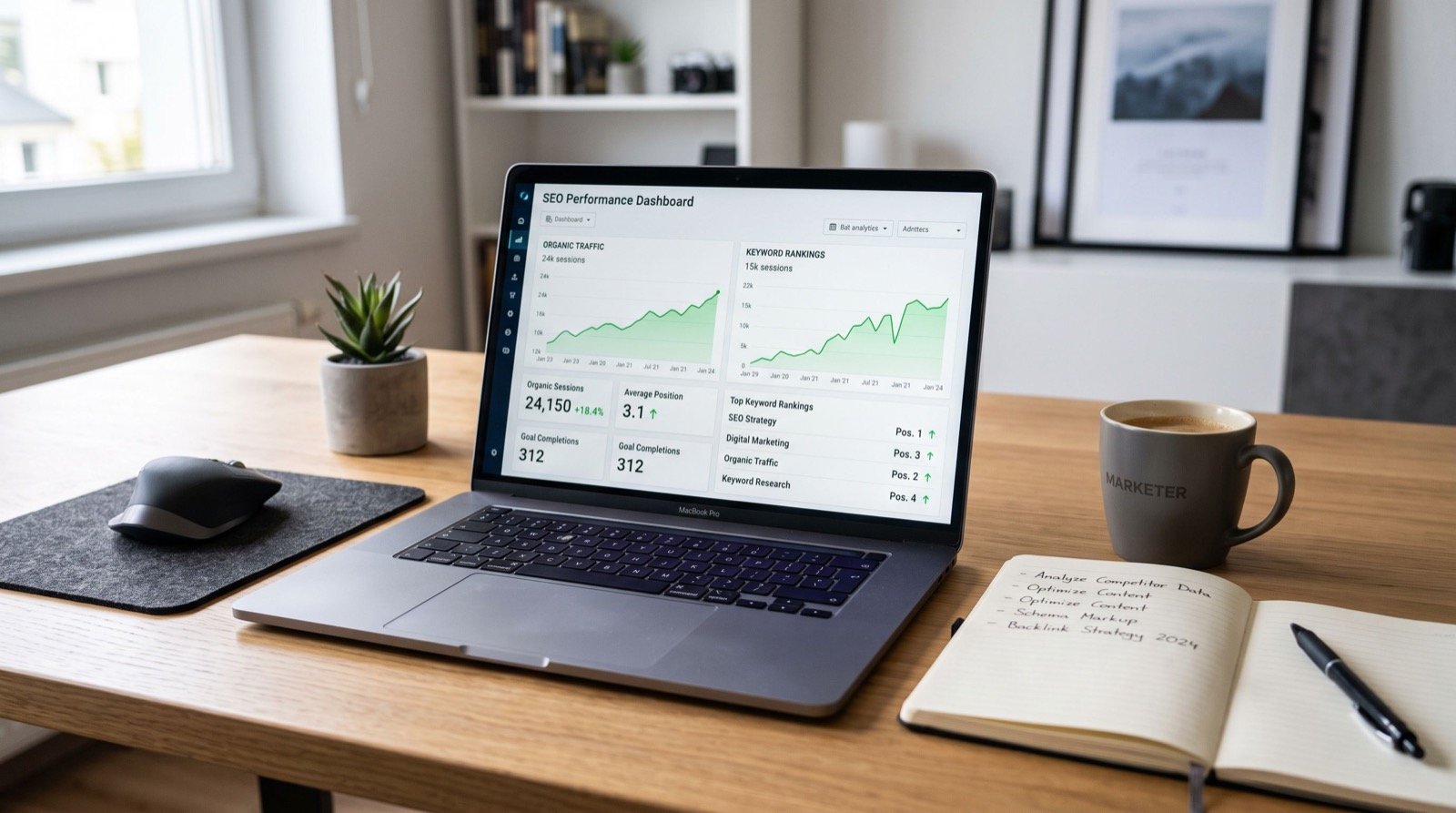

SEO vs PPC: What a Digital Marketing Agency in Pakistan Recommends in 2026
Every business owner in Pakistan eventually asks the same question: should I invest in SEO, pay-per-click ads, or both? A good Digital Marketing Agency in Pakistan won’t give you a one-size-fits-all answer, because the right mix depends on your budget, timeline, and industry. This guide breaks down both channels honestly, with real trade-offs, so you can make a decision that actually fits your business in 2026.
Too many small businesses pour their entire marketing budget into one channel without understanding what it can and can’t do. Understanding the strengths of SEO versus PPC — and when to combine them — is the difference between wasted ad spend and sustainable growth.
What SEO Actually Does for Your Business
Search engine optimisation (SEO) is the process of improving your website so it ranks higher in organic (unpaid) search results. It touches technical site speed, content quality, backlinks, and user experience. The upside is compounding visibility: once you rank, you keep getting traffic without paying per click.
The downside is time. According to Google’s own Search Central documentation, ranking improvements from meaningful content and technical changes typically take months, not days, to show up in search results. That’s why SEO is best for businesses planning 6-12 months ahead, not ones needing leads tomorrow.
What PPC Delivers Instead
Pay-per-click advertising, through Google Ads or Meta Ads, puts your business in front of customers immediately. You pay for every click, but you control exactly who sees your ad, when, and in which city — extremely useful for a business that only serves Islamabad or Rawalpindi.
The trade-off is that traffic stops the moment you stop paying. PPC is a rented audience, not an owned asset. It works best for time-sensitive offers, product launches, or testing which messages convert before investing in long-term content.
SEO or PPC: Which Should a Pakistani Business Choose First?
If you need leads within the next two to four weeks — for example, a seasonal sale or a new clinic opening — start with PPC. If you’re building a brand for the next few years and want to stop paying for every single visitor, SEO deserves the bigger share of your budget. Most experienced teams, including any established digital marketing company in Islamabad, will usually recommend running both in parallel once budget allows: PPC for immediate leads while SEO builds momentum in the background.
Side-by-Side Comparison
| Factor | SEO | PPC |
|---|---|---|
| Speed to results | 3-6 months | Immediate (hours to days) |
| Cost structure | Upfront investment, lower long-term cost | Pay per click, ongoing cost |
| Longevity | Lasting, compounding traffic | Stops when budget stops |
| Best for | Brand building, blogs, local search | Launches, sales, testing offers |
| Trust factor | Organic results feel more credible to users | Labelled as “Ad,” some users skip it |
How to Decide Your Channel Mix
- Define your timeline. Need leads this month? Lean PPC. Planning a year ahead? Lean SEO.
- Check your budget flexibility. PPC needs ongoing spend; SEO needs ongoing content and technical work instead.
- Study your competitors. If competitors dominate organic search, you may need PPC short-term while you build SEO authority.
- Track cost per lead. Compare what each channel actually costs you to acquire one real customer, not just a click.
Local SEO Still Wins for Service Businesses
For clinics, salons, real estate agents, and home services across Pakistan, local SEO — optimising your Google Business Profile, collecting reviews, and targeting city-specific keywords — often outperforms generic national SEO. It’s faster to rank for “best salon in Islamabad” than for broad national terms.
Content Still Fuels Both Channels
Blog posts, service pages, and FAQ content support SEO rankings directly, and they also improve your PPC landing page quality score, lowering your cost per click. Treat content as shared infrastructure rather than an SEO-only expense.
Measuring What Actually Matters
Clicks and impressions look impressive on a report but don’t pay your bills. Industry data compiled by Statista’s digital advertising research consistently shows that conversion rate and cost-per-acquisition are far stronger indicators of real marketing performance than raw traffic volume. Ask your agency to report on leads, calls, and sales — not just visits.
Google’s own advertising policies, documented through Google Ads Help, also require transparency in reporting; any agency unwilling to share raw campaign data from the Ads Manager dashboard should raise a flag.
Frequently Asked Questions
Can a small business afford both SEO and PPC?
Yes, many start with a smaller PPC budget to generate leads while a smaller monthly SEO retainer builds long-term content and technical fixes in the background. You can scale either up once you see returns.
Which is cheaper long-term, SEO or PPC?
SEO is generally cheaper over 12+ months because traffic keeps coming without paying per click, while PPC costs scale directly with traffic volume and never fully stop.
How do I know if my current marketing spend is working?
Track cost per lead and cost per sale monthly, not just clicks or impressions. If those numbers are improving quarter over quarter, your strategy is working.
Do I need a specialist agency or can one person handle both?
SEO and PPC require different skill sets — technical SEO versus ad platform management — so larger goals usually need a team with specialists in each, even if one account manager coordinates the strategy.
Final Thoughts
Neither SEO nor PPC is universally “better” — they solve different problems on different timelines. The smartest approach for most Pakistani businesses in 2026 is to use PPC for speed and SEO for sustainability, adjusting the mix as your budget and goals evolve. When you’re ready to build a long-term strategy, work with Digital Marketing Agency in Pakistan teams or any digital marketing company in Islamabad that explains trade-offs honestly instead of pushing a single service.
And whether you’re hiring for marketing or any other specialised service, it pays to vet trusted professionals the same way: ask for proof, timelines, and real client outcomes before you commit your budget.