Dry Storage in Jeddah: A 2026 Guide to Protecting Your Inventory
Jeddah’s coastal climate brings a hidden challenge for anyone holding stock: humidity. Sitting on the Red Sea, the city blends high heat with damp air that can quietly ruin packaging, corrode metal, and spoil goods that would otherwise last for years. That is exactly why reliable dry storage in Jeddah has become essential for traders, importers, and growing businesses across the region.
Dry storage keeps inventory in a cool, ventilated, low-humidity environment without the cost of refrigeration. Done well, it preserves everything from packaged food and electronics to cosmetics and textiles. This 2026 guide explains how it works, what goods benefit most, and how to pick a facility that actually keeps moisture out.
What Is Dry Storage and Why Does Jeddah Need It?
Dry storage is a controlled, non-refrigerated space designed to stay cool, clean, and low in humidity. Unlike chilled or frozen storage, it does not maintain a specific cold temperature. Instead, it focuses on stable conditions, good ventilation, and protection from moisture, pests, and sunlight.
In Jeddah, where coastal humidity regularly climbs high, that moisture control is the whole point. Excess dampness encourages mould, rust, caking of powders, and label peeling. Quality Dry Storage in Jeddah solves these problems by holding goods in conditions that keep them saleable and shelf-ready.
What goods suit dry storage?
- Packaged and canned foods, grains, and dry ingredients
- Electronics, appliances, and spare components
- Textiles, apparel, and paper products
- Cosmetics, toiletries, and personal-care items
- Furniture, packaging materials, and general retail stock
The Hidden Cost of Humidity on Inventory
Humidity damage is sneaky because it accumulates slowly. A pallet of boxes can look fine on the surface while moisture weakens the cardboard and feeds mould inside. By the time you notice, the loss is already done.
Relative humidity is the key metric. The U.S. National Oceanic and Atmospheric Administration explains how warm air holds far more moisture than cool air, which is why coastal heat is so aggressive on stored goods. You can read more on the NOAA National Weather Service humidity page. Controlling that variable is the single most important job of a dry store in a city like Jeddah.
Common humidity-driven losses
- Mould and mildew on fabrics, paper, and food packaging.
- Corrosion of metal parts, tools, and electronics.
- Caking and clumping of powders, salts, and dry foods.
- Label and adhesive failure that makes retail goods unsellable.
- Pest attraction, since damp environments invite insects and rodents.
Dry Storage vs Other Storage Types
Choosing the right storage type saves money and protects stock. The comparison below shows where dry storage fits against chilled and ambient options.
| Storage type | Conditions | Best for | Relative cost |
|---|---|---|---|
| Dry storage | Cool, ventilated, low humidity | Packaged goods, electronics, cosmetics, textiles | Low to moderate |
| Ambient storage | Room temperature, general indoor | Non-sensitive bulk and retail stock | Low |
| Chilled storage | 0°C – 8°C | Fresh food, dairy, medicines | High |
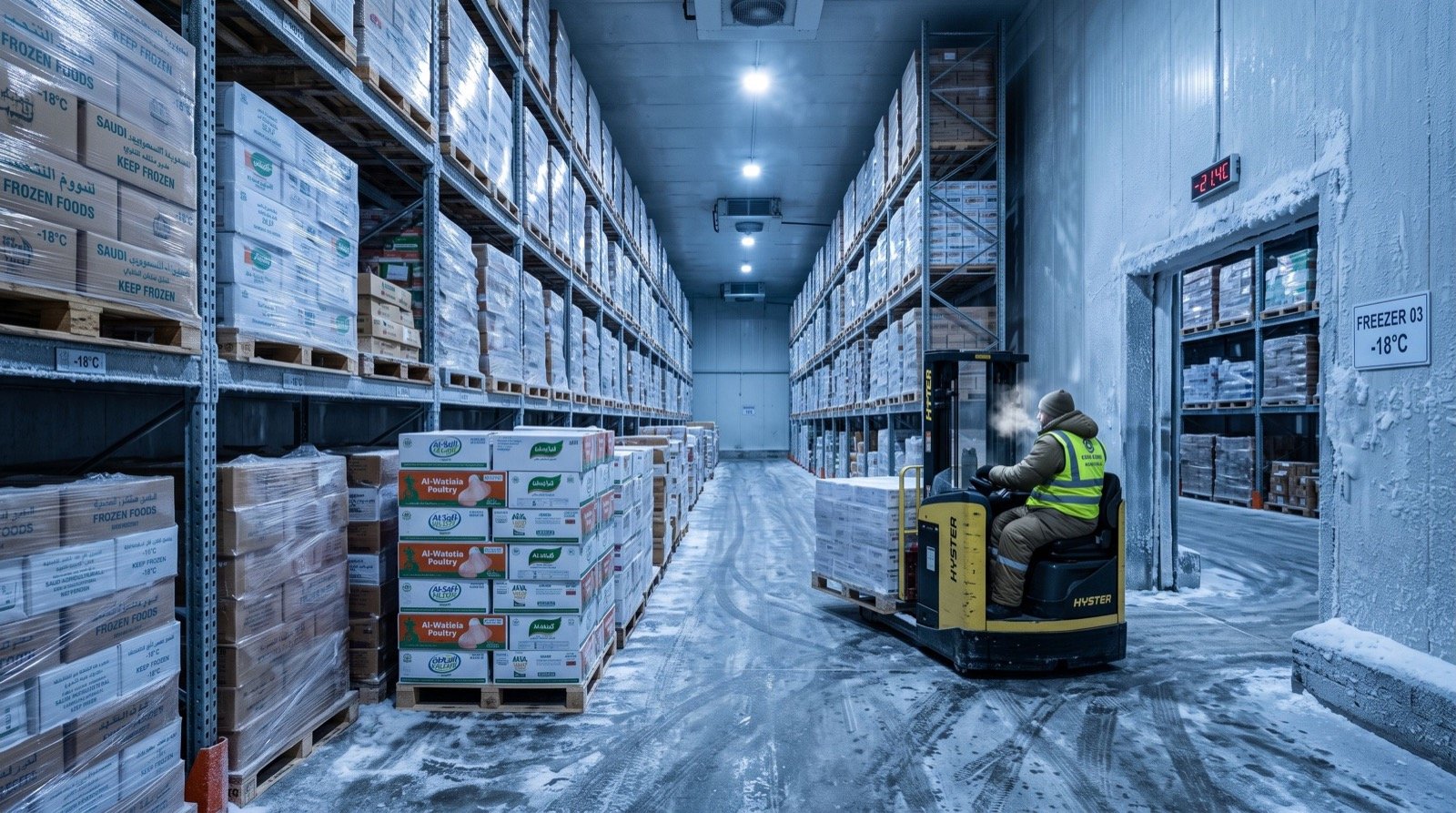
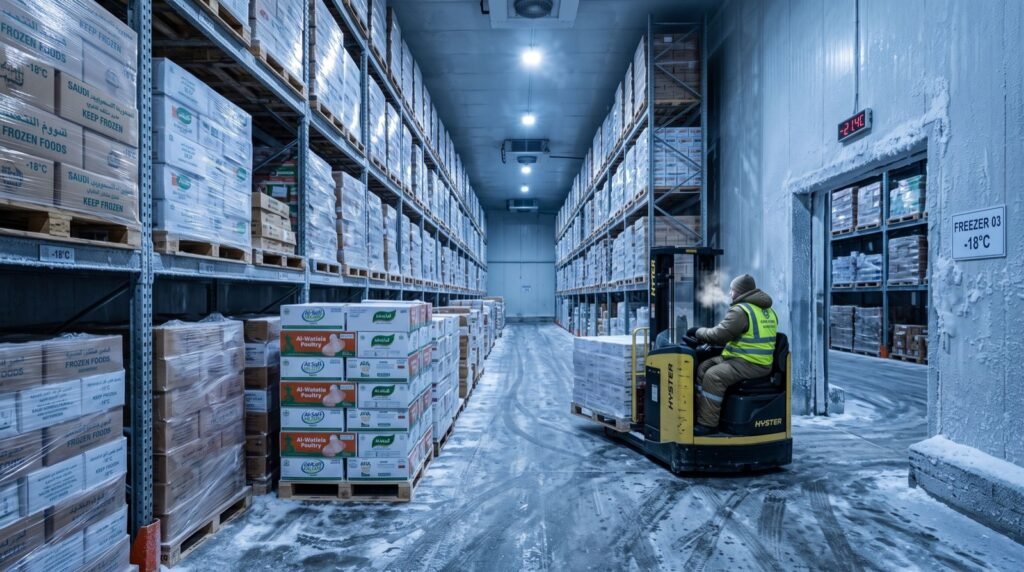
| Frozen storage | -18°C or below | Long-term frozen food | Highest |
For moisture-sensitive but shelf-stable goods, dry storage is the sweet spot — far cheaper than refrigeration yet far safer than an uncontrolled warehouse.
Protecting Cosmetics and Sensitive Consumer Goods
Cosmetics deserve special mention. Creams, serums, and powders are sensitive to both heat and humidity, which can separate emulsions, melt balms, and degrade active ingredients. Damaged cosmetics not only lose value but can also raise safety concerns.
Specialist Storage for Cosmetics products keeps beauty inventory in stable, dry conditions that protect texture, scent, and efficacy. For importers and retailers building a beauty brand in 2026, that protection directly preserves product quality and customer trust.
Practical tips for storing cosmetics
Keep products away from direct sunlight and heat sources, maintain steady humidity, and use FIFO rotation so older stock ships first. Store items upright in original packaging, and separate fragrances from other goods to avoid scent transfer. A stable environment is the difference between a flawless unboxing and a return.
How to Choose a Dry Storage Provider in Jeddah
Not every warehouse qualifies as true dry storage. Before committing, verify these essentials:
- Humidity management through ventilation, dehumidifiers, or sealed construction.
- Pest control programmes with documented inspections.
- Security including CCTV, access control, and fire protection.
- Flexible terms so you can scale space up or down with demand.
- Organised racking and inventory systems for fast, accurate retrieval.
Partnering with reputable service experts means these standards come built in. You gain professionally managed space without the capital cost of building and staffing your own facility.
Organising Your Dry Store for Efficiency
A well-run dry store is not just moisture-free — it is easy to work in. Start by zoning the space so fast-moving stock sits near the entrance and slow movers go deeper inside. Clear aisles, labelled racking, and a simple location code system turn stock retrieval from a treasure hunt into a two-minute task.
Keep pallets off the floor on racking or dunnage. This protects goods from any ground-level moisture, improves air circulation, and makes cleaning far easier. Leave gaps between stacks and walls so air can move freely, which helps dehumidifiers and ventilation do their job across the whole room.
Finally, pair the physical layout with a digital inventory record. Even a basic spreadsheet or stock app that logs quantities, batch dates, and locations will cut errors and highlight ageing stock before it becomes a loss. These small habits compound into real savings over a year.
Frequently Asked Questions
What is the difference between dry and ambient storage?
Ambient storage simply holds goods at room temperature in a general indoor space. Dry storage goes further by actively controlling humidity and ventilation, making it better for moisture-sensitive items in a humid city like Jeddah.
Can cosmetics be kept in dry storage?
Yes. Cosmetics do well in cool, dry, stable conditions away from heat and sunlight. Controlled dry or specialist storage protects their texture, fragrance, and active ingredients from humidity-driven damage.
How does dry storage prevent humidity damage?
It combines ventilation, dehumidification, sealed construction, and good racking to keep relative humidity low and air moving. This stops mould, corrosion, and caking before they start.
Is dry storage cheaper than refrigerated storage?
Generally yes. Dry storage avoids the energy cost of cooling, so it is significantly cheaper than chilled or frozen options while still protecting a wide range of moisture-sensitive goods.
Conclusion
In a humid coastal city, protecting stock starts with the right environment. Dependable dry storage in Jeddah shields packaged goods, electronics, textiles, and cosmetics from the moisture that would otherwise erode their value. Match each product to the correct storage type, verify a provider’s humidity and pest controls, and lean on specialists who manage these conditions every day. Make that investment in 2026 and your inventory stays shelf-ready, saleable, and profitable.